Siena Travel FAQs: Your Questions Answered


Getting to Siena
One of the first questions travelers ask is how to reach Siena. The city is accessible by various modes of transportation. If you’re flying in, the nearest airports are in Florence and Pisa. From there, you can take a train or rent a car. The train journey offers picturesque views of the Tuscan countryside.
Siena is also well-connected by bus. Regular services run from major Italian cities like Florence and Rome. Driving is another option, but be aware that the city center has limited traffic zones.
Best Time to Visit
Wondering when to plan your trip? The ideal time to visit Siena is during the spring (April to June) and fall (September to October). The weather is pleasant, and the city hosts fewer tourists. Summer can be quite hot, while winter is mild but occasionally rainy.
For a unique experience, visit in July or August to witness the Palio di Siena, a traditional horse race. However, be prepared for larger crowds during this time.
Exploring Siena
Once in Siena, you’ll want to explore its medieval charm. The city is best navigated on foot, allowing you to fully appreciate its narrow streets and historic architecture. Must-see landmarks include the Piazza del Campo, Siena Cathedral, and Torre del Mangia.
Consider purchasing a combined ticket for the cathedral and nearby attractions to save money and time. Guided tours are also available for those interested in a more in-depth exploration.
Local Cuisine
No trip to Siena is complete without indulging in the local cuisine. Sienese food is hearty and flavorful, featuring dishes like ribollita, pici pasta, and panforte. Pair your meal with a glass of Chianti or Vernaccia di San Gimignano.
For an authentic experience, dine at local trattorias and osterias. Don’t forget to try some gelato for dessert!
Accommodation Options
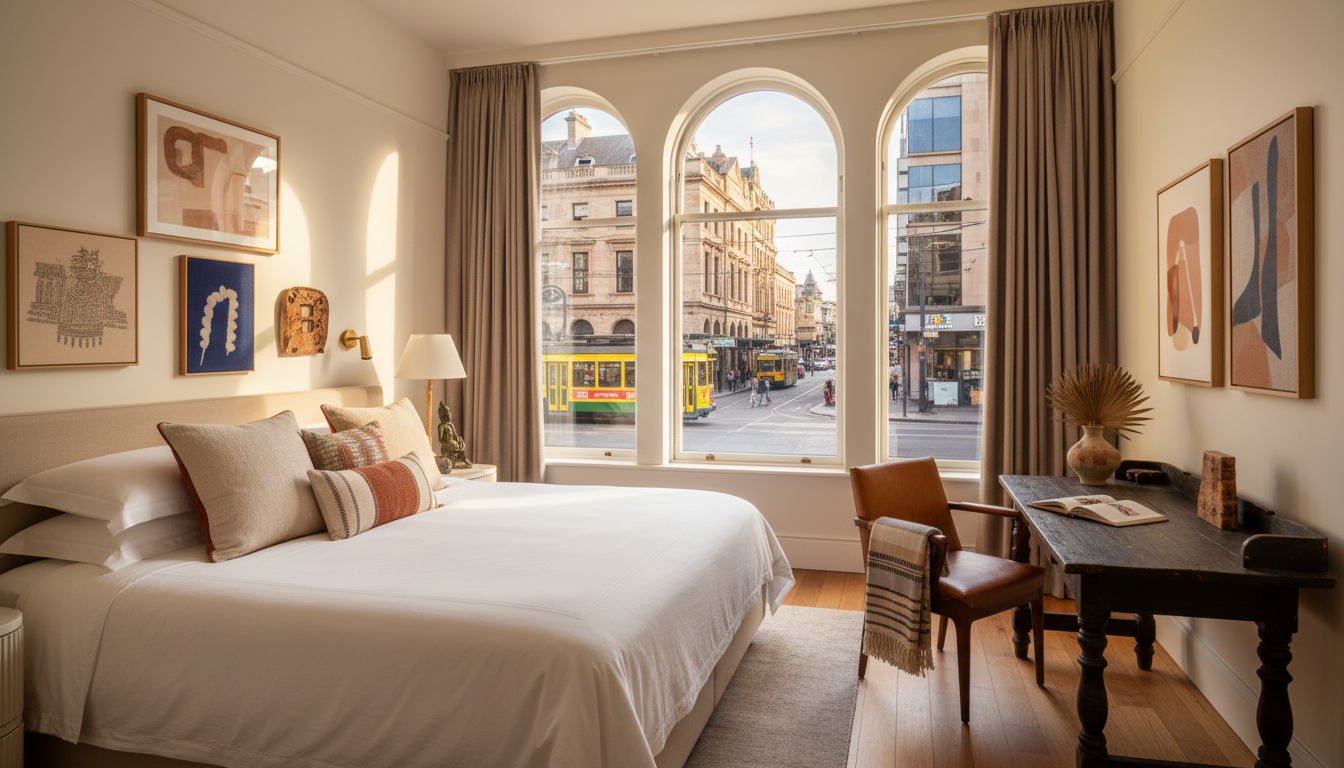
Siena offers a range of accommodation options to suit every budget. From luxury hotels to quaint bed and breakfasts, there’s something for everyone. For a unique stay, consider booking a room in a historical building or an agriturismo in the countryside.
It’s advisable to book your accommodation in advance, especially if you’re visiting during the peak tourist season or during the Palio.
Practical Tips
Before you go, here are some practical tips to enhance your Siena experience. The local currency is the Euro, and credit cards are widely accepted. However, having some cash on hand is always a good idea.
While Italian is the official language, English is commonly spoken in tourist areas. Learning a few basic Italian phrases can enhance your interactions with locals.
Shopping in Siena
Siena offers a delightful shopping experience, with a mix of boutique stores, artisan shops, and markets. Look for traditional Tuscan products like olive oil, wine, and ceramics.
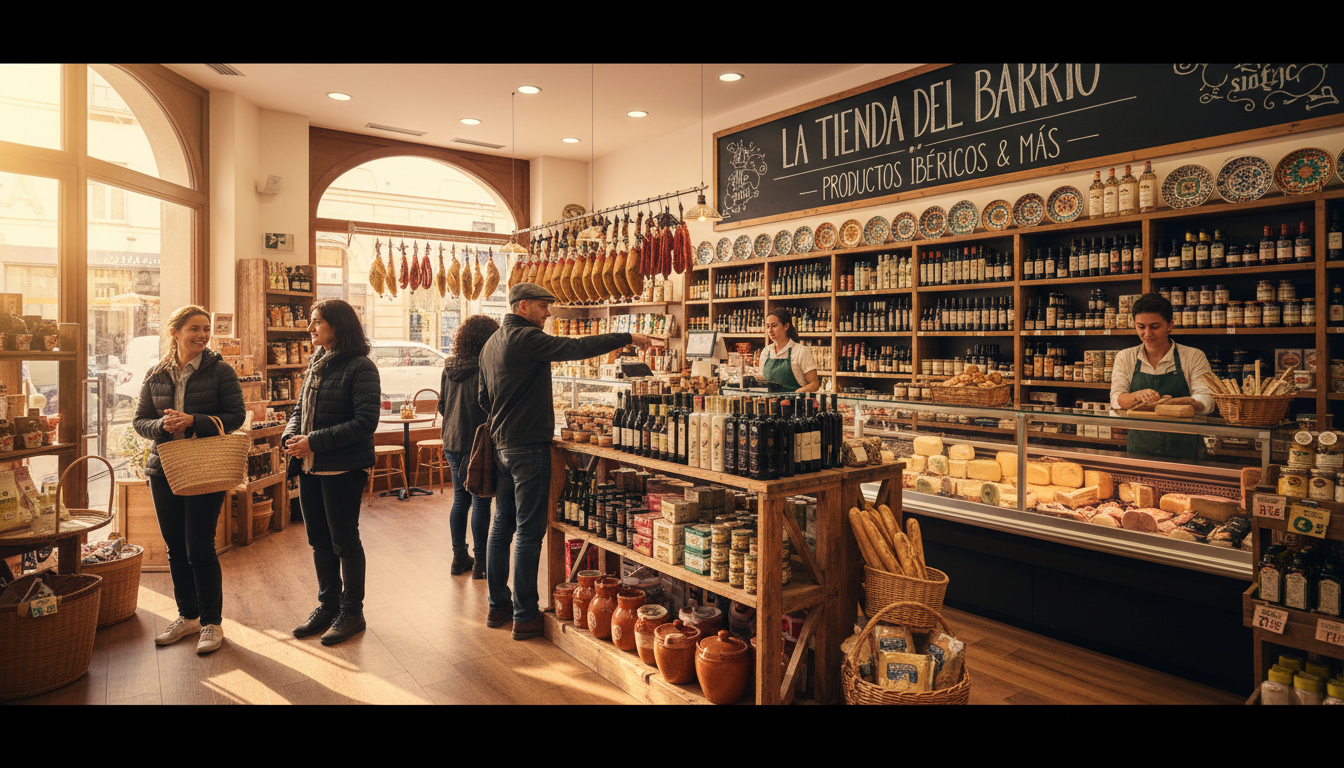
The city’s main shopping streets are Via di Città and Banchi di Sopra, where you can find everything from fashion to souvenirs.